Back to Learning Center
Blog
Specialty tag(s): Divorce Coaching, Divorce, Pre-Divorce Guidance
Navigating the Emotional Journey of Separation Through the Change Curve
Eric Robertson | May 16, 2024
![young adult woman sitting at home along, looking out window]()
Divorce is a profoundly personal and unique journey, colored by the complexities of human emotions and circumstances. Yet, despite these variances, the application of the change curve provides a framework to anticipate and understand the emotional rollercoaster often experienced during the dissolution of a marriage or relationship. This curve, originally conceptualized to describe the stages of grief, can be applied to the tumultuous process of separation, offering insight into the emotional states that both parties might traverse.
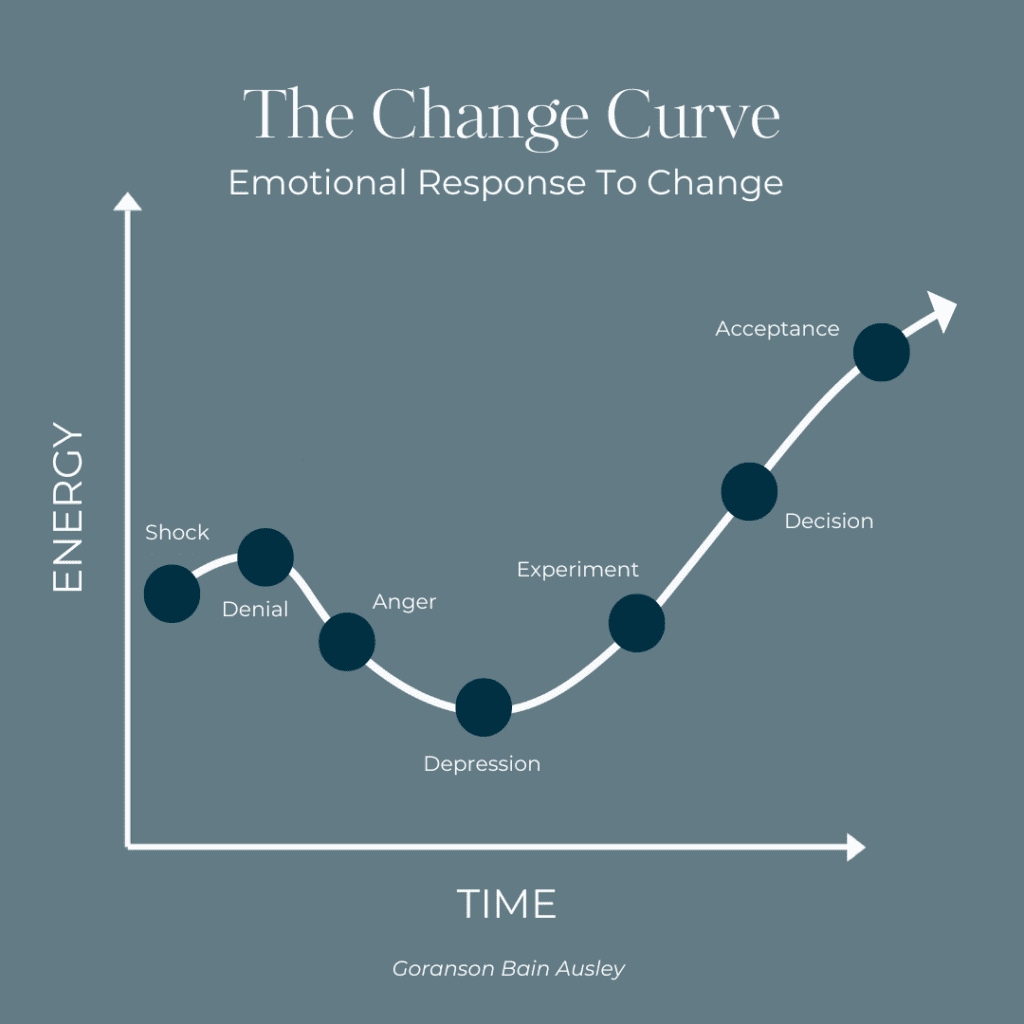
The Change Curve: A Brief Overview
The change curve is a psychological model that outlines the stages of emotional responses to significant change or loss. It begins with shock and denial, progresses through anger and bargaining, descends into depression, and finally rises towards acceptance and integration. When applied to separation and divorce, it becomes a valuable tool for predicting and empathizing with the emotional journey of both individuals involved.
Divergent Emotional Paths
In the context of a divorce, it’s typical for the initiating party to be further along the change curve. Having likely contemplated the decision for some time, they may have already processed the initial shock and denial, moving towards acceptance and looking for solutions. This head start in emotional processing can create a disconnect between the partners, as their emotional states and needs may differ significantly.
The Initiator’s Journey
For the person who initiates the separation, the emotional and mental health journey might seem somewhat smoother on the surface. They have had the advantage of time — time to contemplate their feelings, to weigh the pros and cons, and to gradually acclimate to the idea of ending the marriage. This head start does not mean they bypass the stages of the change curve, but rather, they may navigate them at a different pace, potentially reaching stages of acceptance and seeking solutions sooner than the non-initiating partner.
The Non-Initiator’s Experience
Conversely, the partner who did not initiate the divorce often finds themselves thrust unexpectedly into the early stages of the change curve. Shock and denial are common initial reactions, accompanied by intense emotions, including anger and profound sadness. These feelings can be overwhelming, rendering the partner unable to think about solutions or to make significant decisions about their future. For them, the world as they knew it has abruptly changed, and they need time to process this seismic shift in their reality.
The effects of divorce on mental health vary from person and it’s important for both parties to keep that in mind when navigating the steps and nuances of separation and divorce. To that end, working with a divorce coach can be beneficial, as they can help parties move through the divorce process with a clearer understanding of the different decisions to be made and benefits or drawbacks thereof. Addressing mental health issues in divorce with a licensed therapist is also an effective way of managing the emotions that come along with the divorce process.
The Importance of Time and Support
The disparity in emotional processing between the partners underscores the necessity of patience, understanding, and support. It is crucial for the initiating party to recognize that their partner needs time to catch up emotionally in order to participate effectively in a divorce mediation. Rushing them to make decisions or to reach a stage of acceptance only widens the emotional gap and hampers the possibility of a collaborative divorce and amicable separation process.
Professional support, such as counseling or therapeutic coaching, can be invaluable during this time. These resources can help both individuals navigate their emotions more effectively, providing tools for coping and eventually moving towards acceptance and healing. Furthermore, such support can facilitate better communication between the partners, making it possible to address practical concerns and decisions about the separation in a more constructive and empathetic manner.
Conclusion
Divorce is a journey fraught with emotional turbulence but understanding the stages of the change curve can offer some predictability in an otherwise uncertain time. Recognizing and respecting each other’s emotional states and needs is crucial for navigating this process with compassion and empathy. With patience, support, and time, it is possible for both parties to move through their grief, arriving at a place of acceptance and readiness to rebuild their lives anew.