
Services to Help Solve Your Challenges
Our attorneys are experienced in all aspects of family law and will guide you through each step of the process, ensuring you have the information you need to make wise decisions and prepare for the future.
Specialty tag(s): Military Divorce
Heather Hudson | May 13, 2026
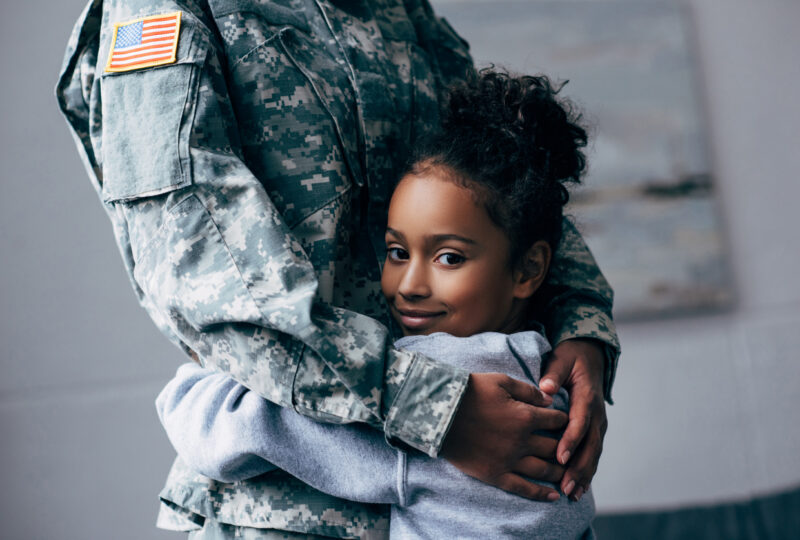
Military families face unique challenges during divorce—frequent relocations, deployments, military retirement benefits, and multistate jurisdiction issues can make the process more complex than civilian divorce. As a San Antonio military divorce lawyer and Collaborative family law attorney, I work with service members and spouses to resolve these matters with clarity, efficiency, and respect.
One of the most effective approaches for military families is Collaborative Divorce, a settlement-focused process that keeps the case out of court and prioritizes long-term stability for the family.
A military divorce must comply with state law, federal statutes, and sometimes branch-specific regulations. This means spouses must understand:
Determining where to file for divorce is often the first and most important step.
In military families, jurisdiction may be based on:
A service member’s “home of record” is not always the same as domicile, and understanding the difference is crucial to filing correctly.
Before a court can hear a divorce case, it must establish jurisdiction—the legal authority to make decisions about the marriage, property, and children. Jurisdiction can not be waived, even if both spouses agree, so it’s important to verify the correct jurisdiction.
In civilian divorces, jurisdiction is typically where the couple resides after a certain length of time has passed.
In a military divorce, jurisdiction may also be established:
A lawyer experienced in San Antonio military divorces can help determine the most appropriate and strategic jurisdiction for your case.
For many military service members and spouses, the Collaborative Process offers a less adversarial, more family-centered path to divorce. Instead of preparing for trial, the parties commit to problem-solving, transparency, and respectful communication.
The spouses and their attorneys sign a participation agreement affirming that they will:
This approach works especially well in military cases involving:
Collaborative law provides:
And unlike litigation, Collaborative Divorce helps preserve dignity and relationships, something particularly valuable for families who will continue co-parenting across changing duty stations or deployments.
My own background as a U.S. Air Force officer shapes the way I guide military clients through divorce. I understand the culture, structure, benefits, and challenges that military families navigate every day.
I regularly assist service members and spouses with:
Whether through Collaborative Divorce, negotiation, or litigation, my goal is to help every client move forward with clarity and confidence.
If you are a service member or military spouse in San Antonio, you deserve guidance from a family lawyer who understands both Texas law and the demands of military life.
I help clients resolve military divorce matters constructively, with an emphasis on:
Contact Heather Hudson to schedule a consultation and learn more about your options in a Collaborative or traditional military divorce.
Our attorneys are experienced in all aspects of family law and will guide you through each step of the process, ensuring you have the information you need to make wise decisions and prepare for the future.
At Goranson Bain Ausley, we strive to deliver clarity about what comes next and confidence that you and your family’s future are more secure. Contact our team and discover how we can help you.

Voted #1 Texas Family Law Firm by Texas Lawyer
Protecting What Matters Most


Facing divorce or family law issues? Don’t navigate alone. Email us to schedule a consultation.

When you need to speak to a top divorce lawyer, call us to schedule a consultation.